Bake Sale: Enjoy up to £300 off when you enrol on a baking course starting this November. Learn more here.
A baking recipe is usually specific about which sugar to use, and for good reason. Let's break down what each one does best.
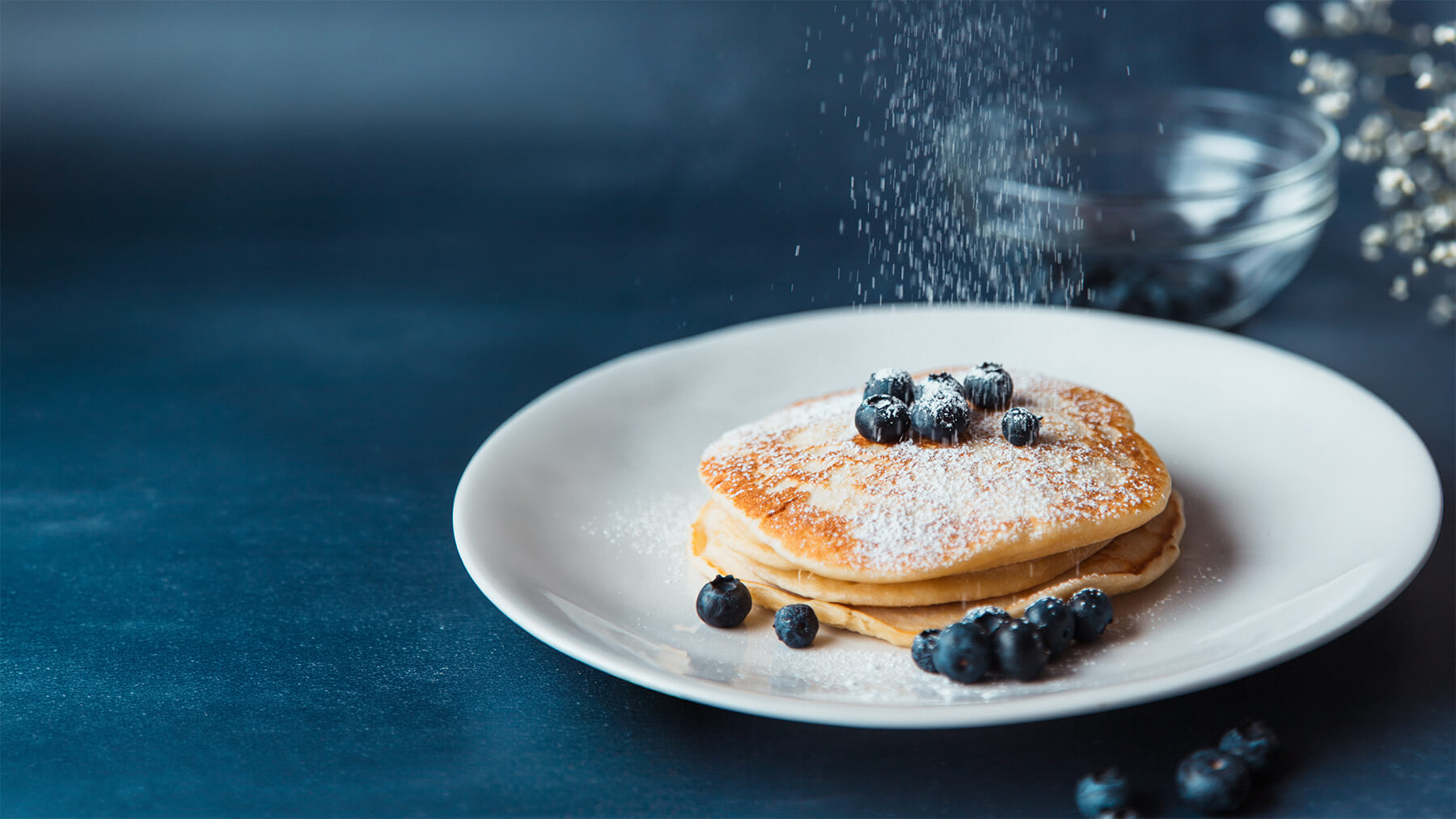
Caster sugar rather than granulated. Brown sugar rather than white. Icing sugar in one pastry, caster in another.
For good reason, a baking recipe is usually specific about which sugar to use. Beyond sweetness, sugar affects texture, colour, moisture, aeration and how a bake develops in the oven. The size of its crystals matters. So does its moisture content and the presence of molasses.
Below, we look at seven types of sugar commonly used in baking - white, brown, coarse and liquid - summarising what each one does best and what to consider before making any substitutions.
Best for: cakes, meringues, biscuits, pastry and many desserts.
Caster sugar is white sugar with smaller crystals than granulated sugar. Those fine crystals dissolve readily, which makes caster particularly useful in mixtures such as a meringue.
It also works especially well for creaming with butter. As the two are beaten together, the sugar crystals help create tiny pockets of air in the fat. These expand during baking and contribute to the structure and lightness of the cake. Temperature matters here: the butter should be soft enough to beat easily while still holding its shape. If it becomes too warm, it will hold air less effectively.
If you need a substitute: granulated sugar can work in some recipes, although its larger crystals may change the finished texture. To make it closer to caster sugar, pulse granulated sugar briefly in a food processor or blender until the crystals are finer, stopping before it turns powdery.
Best for: syrups, preserves and recipes in which the sugar will dissolve.
Granulated sugar has larger crystals than caster and is commonly used for sugar syrups and preserves.
For a smooth syrup, the important point is technique rather than crystal size. Dissolve the sugar fully in the water before boiling, keeping stray crystals away from the sides of the pan. Once the syrup is boiling, avoid stirring as this can encourage crystallisation.
If you need a substitute: caster sugar is often the closest alternative, particularly where the sugar will dissolve completely.
Best for: icing, buttercream, glazes, dusting and delicate pastries.
Icing sugar is ground to a very fine powder, allowing it to dissolve quickly and produce a smooth texture.
Its fineness also changes the way it behaves in baked goods. Unlike caster or granulated sugar, it contributes very little aeration when mixed with butter. That can be useful in biscuits and pastries where a fine, tender texture is required.
If you need a substitute: granulated or caster sugar can be ground very finely in a food processor for some uses.
Best for: cookies, cakes, puddings, brownies and bakes where softness and deeper flavour are useful.
Brown sugar contains molasses which brings additional flavour, colour and moisture. Light brown sugar has a milder character, while dark brown sugar contains more molasses and has a stronger flavour (that extra moisture can also help produce a softer, chewier bake).
Brown sugar works particularly well alongside chocolate, spice and fruit. A chocolate cake might use both brown and caster sugars: one contributing moisture and depth, the other providing cleaner sweetness and helping with structure.
If you need a substitute: light and dark brown sugars can often be exchanged for one another, with a corresponding change in colour and flavour. White sugar may also work in some recipes, although the bake may be paler, crisper and less moist.
Best for: ginger cakes, fruit cakes, chocolate cakes, puddings and richly flavoured biscuits.
Muscovado is a moist cane sugar with a pronounced molasses flavour. Dark muscovado has particularly deep caramel and treacle notes.
Muscovado’s depth of flavour makes it useful when sugar is expected to contribute significantly to a bake rather than simply sweeten it.
If you need a substitute: soft dark brown sugar is usually the closest readily available alternative, although its flavour is milder.
Best for: toppings, crumbles, biscuits and anywhere a crystalline crunch is desired.
Demerara has large golden crystals and some molasses character. Those crystals hold their texture well during baking, which makes demerara particularly useful for sprinkling over cakes, muffins and pastry.
Its coarse texture makes it less suitable as a direct substitute for caster sugar in a fine cake batter.
If you need a substitute: another coarse sugar would work for finishing. Granulated sugar can also add crunch, although without the same depth of flavour.
Best for: confectionery, caramel, flapjacks and recipes where controlling crystallisation and maintaining softness matter.
These sugars behave differently from crystalline sucrose. Glucose and invert sugars can interfere with the formation of sucrose crystals, which is one reason they appear in confectionery and caramel recipes. They can also help products retain moisture.
Golden syrup performs some of the same functions while contributing its own distinctive flavour.
If you need a substitute: proceed according to the recipe. Honey and other syrups may sometimes perform a similar role, but differences in water content, sweetness and flavour can noticeably change the result.
Different sugars can look interchangeable in the cupboard, but in baking they often do different jobs.
Caster sugar can help with aeration. Brown sugar brings moisture and flavour depth. Icing sugar creates a finer texture. Coarser sugars add crunch. Syrups can help keep confectionery soft and reduce crystallisation.
So before swapping one for another, look at what the recipe is asking that sugar to do. A substitution may still work, but it can change the texture, colour, flavour or structure of the finished bake.
That is the useful bit to remember: in baking, sugar is rarely there for sweetness alone.
To learn all the baking and patisserie skills a pastry chef needs to know, you can practise over 50 recipes and get expert feedback on every one of your bakes by joining our professional baking course, Essential Bread & Patisserie.


