An approach to cooking with more plants that focuses on flavour, balance, and making meals that are genuinely satisfying.
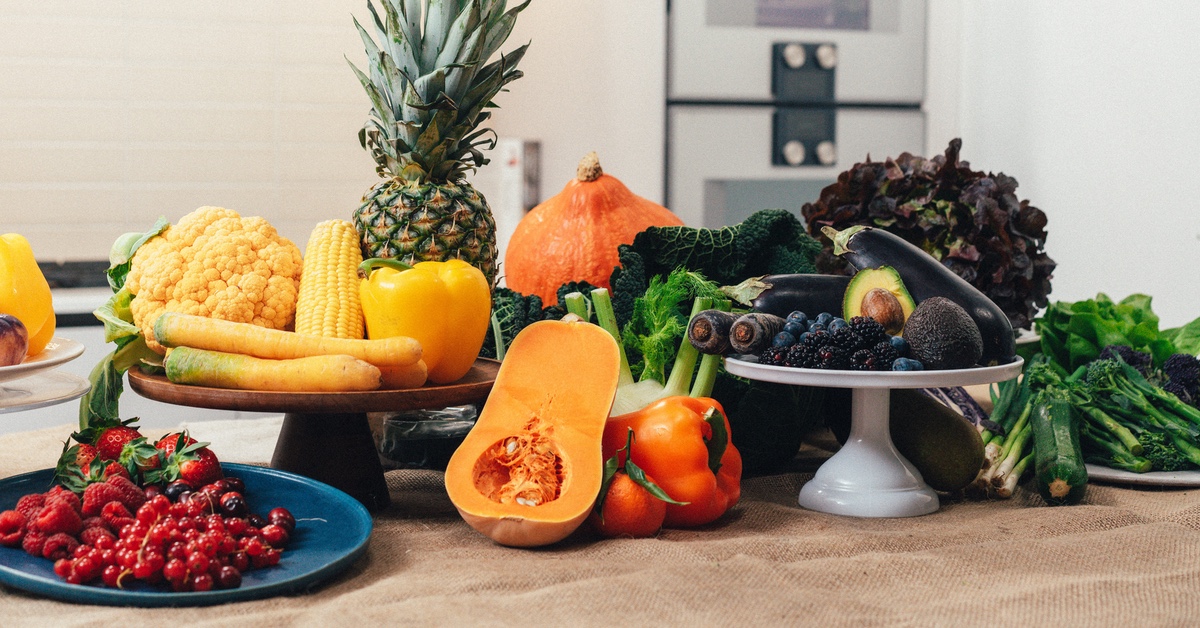
When we talk about plant‑rich cooking, we’re referring to meals where vegetables, grains, legumes, nuts, and seeds form the foundation of the dish. It doesn’t require strict rules or rigid definitions, and it doesn’t mean every meal has to look the same. Instead, it’s about leaning more heavily on plants and understanding the role they play in making a dish feel balanced and satisfying.
Cooking this way doesn’t mean compromising on flavour. At its best, plant‑rich cooking produces food that is vibrant, nourishing, and full of contrast - dishes that feel satisfying and enjoyable to eat.
When you understand how flavour and nutrition work together, plants can take centre stage and often become the most interesting part of the meal.
Whether a dish is entirely plant‑based or simply centred around vegetables, it’s all about understanding what each ingredient naturally does well and how it can contribute to the whole.
Vegetables can offer sweetness, bitterness, freshness, or depth. Grains and legumes add comfort and structure. Nuts, seeds, oils, and spices create richness and complexity. When these elements are used with intention, flavour develops naturally.
As with any good cooking, this comes down to the same principles as any good cooking: seasoning properly, cooking ingredients well, and paying attention to texture.
Flavourful dishes built around plants are rarely one‑note. They are built gradually, with each element adding something to the whole.
A strong base might be slow-cooked onions, roasted vegetables, or well-seasoned grains, which will create depth from the outset. From there, acidity, heat, and freshness can be introduced through citrus, vinegar, chilli, herbs, or pickled elements. Crunchy toppings like nuts or seeds bring contrast, while oils or sauces tie everything together.
Thinking in layers helps dishes feel cohesive and complete, rather than simply assembled.
Flavour and nutrition are closely linked. When a dish tastes good, it often feels more satisfying and nourishing too, and that usually comes down to balance.
Most successful plant‑rich dishes include:
When one of these elements is missing, a dish can feel flat or incomplete, even if the flavours are appealing. Understanding this makes it easier to adjust a dish instinctively, whether that means adding a spoon of oil, a handful of toasted seeds, or a side of grains to bring everything into balance.
How ingredients are cooked matters just as much as what they are. Proper browning, adequate seasoning, and the right cooking method can transform simple plant ingredients into something far more compelling.
Roasting brings out sweetness, slow cooking adds depth, and quick sautéing keeps vegetables fresh and vibrant. These techniques also improve texture, which plays a big role in how satisfying a dish feels.
As this understanding grows, plant-rich food stops feeling like a compromise and starts feeling deliberate.
Whether you’re cooking at home or in a professional setting, confidence comes from knowing how to respond to a dish as it develops. A basic understanding of flavour and nutrition allows you to taste a dish and know what it needs – more acidity, more richness, more substance.
Plant‑rich cooking is ultimately about making thoughtful choices. When flavour, balance, and technique come together, the result is food that is enjoyable to eat, nourishing, and easy to return to again and again.


.png)
